When the Sky Crashes the Party: Weather-Proofing Moves Every Outdoor Organizer Should Steal
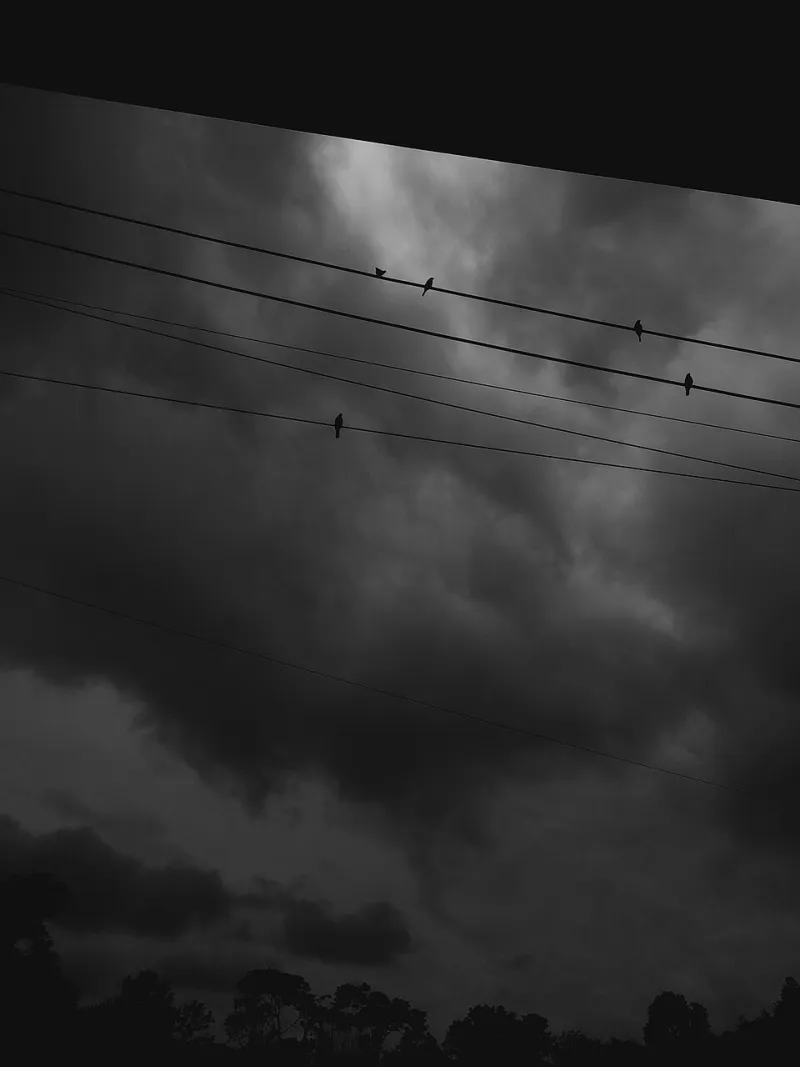
Photo: Rudranil Barua Dipra, CC BY 4.0, via Wikimedia Commons
Every outdoor organizer has a story about the sky. The hail that arrived forty minutes before gates. The heat advisory that emptied a festival faster than any lineup announcement could fill it. The drive-in screening that sold out in June and got rained out in a way no forecast saw coming.
Weather has always been the uninvited guest at American outdoor events. But something has changed: the guest stopped RSVPing. Flash droughts, 90-degree Septembers in the Northeast, derecho wind events in the Midwest — the patterns that event calendars were built on are dissolving, and organizers who plan for last decade's weather are getting burned.
The good news? A handful of organizers across the country have quietly figured out how to weather-proof without weather-proofing the fun out of the event. Here's what they're doing.
1. Buy Insurance Like You Mean It
Event cancellation insurance used to be a box checked by the biggest festivals and ignored by everyone else. That's over. With claims from severe weather climbing, insurers have gotten more sophisticated — and so have the organizers buying from them.
The move now is layered coverage: cancellation insurance for the catastrophic stuff, plus rainfall or heat-index-specific policies for the more likely scenarios. A county fair in Iowa, for example, can now insure against a specific rainfall threshold over specific hours, which makes premiums manageable and payouts actually usable. Talk to a broker who specializes in events, not your general business agent. The difference in policy language is the difference between a check and a denial letter.
2. Sell Flexible Dates, Not Just Tickets
The single most attendee-friendly innovation of the last few years is the flexible-date ticket — a pass that lets holders roll their purchase to a rescheduled date or a future event if weather kills the original one.
It sounds like leaving money on the table. It's the opposite. Organizers who offer automatic rollover see dramatically fewer chargebacks, less refund administration, and — this is the part that compounds — higher repeat purchase rates. When attendees learn your brand means "your money doesn't vanish if the sky misbehaves," they buy earlier and more often.
3. Line Up an Indoor Backup Before You Need It
Hybrid indoor backups used to be a luxury. Now they're a competitive necessity, and the creative versions are worth stealing.
A food festival that books a partner brewery's event hall as a rain venue — smaller, sure, but with priority access for ticket holders. A drive-in operator with a deal at a nearby mall parking garage. A music festival that pre-negotiates a reduced-capacity acoustic show at an indoor theater, honoring tickets at a discount for next year. None of these save the full event. All of them save the relationship.
4. Build the Communication Plan Before the Panic
The worst weather outcomes aren't caused by rain — they're caused by silence. Attendees refreshing a dead Instagram page at 6 a.m. become ex-attendees by 7.
The fix is a pre-written decision tree: what conditions trigger a delay, a modification, or a cancellation, who makes the call and by when, and which channels fire in what order. Email and SMS first, then social, then on-site signage. Post the decision timeline publicly before the event even starts. People forgive weather. They don't forgive finding out via a friend's screenshot.
5. Design for Heat, Not Just Rain
Here's the shift most organizers haven't caught up with: extreme heat now cancels more outdoor event hours in the US than rain does, especially in the South and Southwest.
Shade structures, misting stations, free water refill points, and — critically — shifted schedules aren't amenities anymore. They're the difference between an event and a liability. Some organizers now build "heat contingencies" into their marketing itself: sunset start times, shaded lounge zones sold as features. Attendees notice, and they come back.
6. Have a Partial-Play Script
Not every weather hit requires a full cancellation. The events that emerge from bad weekends with their reputations intact are the ones with a partial-play script ready: compress the schedule, move the headline act earlier, honor tickets for a shortened event plus a discount on next year.
This requires artist and vendor contracts written with flexibility in mind — which means it has to be negotiated months before any cloud appears. If your contracts only contemplate the all-or-nothing scenario, you've written yourself into a corner.
7. Turn the Storm Into the Story
The final move is the one that separates professionals from everyone else: when weather disrupts your event, the follow-up communication is a marketing asset.
The organizers who send a genuine, specific recap — what happened, what it cost us, what we're changing, here's a token of appreciation — routinely see their most loyal customers come from their worst weather days. There's something about watching a brand handle adversity with transparency that no sunny-day marketing can buy.
You can't control the sky. You can absolutely control whether the storm ends your event or becomes the story your attendees tell for years — about how well you handled it.