The Morning After Your Best Event Ever (And Why It Feels So Empty)
Photo: Dietmar Rabich, CC BY-SA 4.0, via Wikimedia Commons
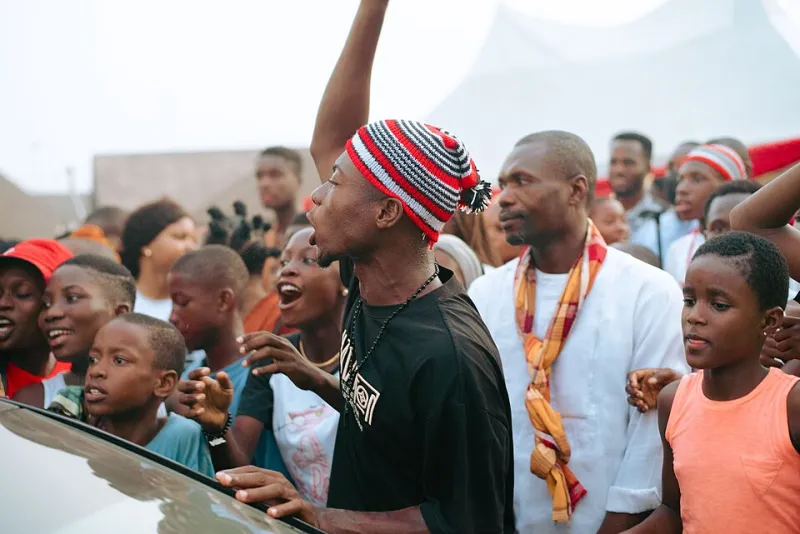
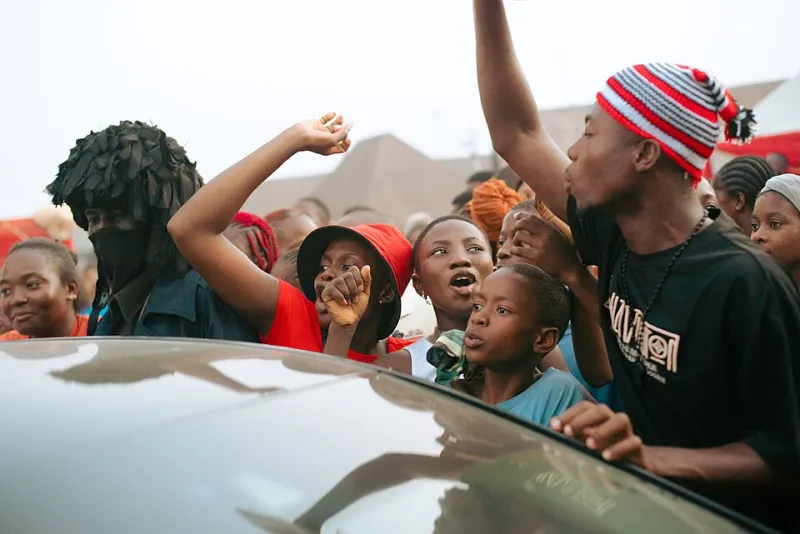
You pulled it off. The crowd was electric, the lineup delivered, the logistics held together (mostly), and your phone was blowing up with tagged photos for three straight days. Then Monday morning hit — and the silence was almost deafening.
If you've ever organized an event and felt a weird, hollow crash in the days that followed, you're not imagining it. Post-event slump is a legitimate psychological and operational challenge that doesn't get nearly enough airtime in the events industry. And for organizers building something bigger than a one-off gathering, it can quietly undermine the momentum you worked so hard to create.
Why the Drop Hits So Hard
For most organizers, the weeks leading up to an event are all-consuming. Your brain is in overdrive — solving problems, managing people, tracking ticket sales, handling last-minute vendor chaos. There's a neurological reason that kind of sustained intensity feels almost addictive: your brain is flooding with dopamine and cortisol in equal measure.
When the event ends, both of those chemicals drop off a cliff.
"It's like training for a marathon and then having nothing on the calendar the next day," says one independent music festival producer based out of Nashville who's been running regional events for nearly a decade. "You don't realize how much the event was holding you together until it's over."
For your attendees, the same dynamic plays out differently. The post-event high — the shared memories, the social media buzz, the group chats — has a half-life. Without something to keep them engaged, that energy dissipates within a week or two. And once it's gone, rebuilding it from scratch for your next event is a lot harder than maintaining it.
The Engagement Cliff Is Real — and Avoidable
Data from event ticketing platforms consistently shows a sharp drop in audience engagement in the 30 days following an event. Email open rates crater. Social media mentions slow down. The community you spent months building can quietly disperse back into the internet.
But here's the thing: that window right after your event is actually one of the most valuable moments you have. Attendees are still emotionally warm. They're still talking about it. Their memories are vivid and positive. If you're not actively engaging them in that window, you're leaving serious long-term loyalty on the table.
The organizers who do this well treat the post-event period as its own distinct phase of the event cycle — not an afterthought.
What the Best Promoters Do Differently
One approach gaining traction among seasoned promoters is the "soft landing" strategy: rather than going quiet after an event, they deploy a pre-planned sequence of content and touchpoints designed to extend the experience.
That might look like a curated highlight reel dropping 48 hours after the event ends, followed by a behind-the-scenes photo dump a few days later, and then a community poll asking attendees what they'd want to see next time. Each touchpoint is low-effort for the audience but keeps the emotional thread alive.
Some organizers have had real success building persistent community spaces — Discord servers, Facebook Groups, or even private Slack channels — that give attendees somewhere to land after the event. The key distinction from a generic fan page is that these spaces are structured around ongoing conversation, not just announcements. Organizers who show up regularly, ask questions, and share exclusive content see dramatically higher retention heading into their next event cycle.
"We launched a Discord for our conference about two weeks before the event and kept it going after," explains a tech conference organizer based in Austin. "By the time we opened registration for the following year, we already had 400 people in that server who were actively hyped. It made early ticket sales almost effortless."
Mining Your Data Before It Goes Cold
Post-event is also the best time to dig into the numbers — and most organizers wait too long or skip it entirely. Your ticketing data, check-in records, session attendance (for conferences), and post-event survey responses are telling you something important about what worked and what didn't.
Look at who came back from a previous event versus who was new. Examine which sessions or sets had the highest engagement. Cross-reference your no-show rate against ticket purchase timing — did people who bought early actually show up at higher rates? These insights don't just help you plan a better event next time; they give you a genuine story to tell your audience.
Sharing data with your community — even in a casual, conversational way — is a surprisingly effective engagement tool. "We attended 4,200 strong this year" hits differently than a generic thank-you post. It makes attendees feel like they were part of something measurable and real.
Beating the Burnout Before It Beats You
Organizer burnout is the less-discussed side of post-event slump. Running an event is physically and emotionally exhausting, and many organizers jump straight into planning mode without ever processing what they just went through. That's a fast track to resentment and creative depletion.
Building a deliberate recovery window into your production calendar — even just a week or two of lighter workload — isn't laziness. It's long-term strategy. The organizers who sustain multi-year events almost universally talk about protecting their own energy as a non-negotiable part of their process.
Schedule the debrief meeting. Write down what went wrong while it's fresh. Then close the laptop for a few days.
Setting Up the Sequel
The most powerful thing you can do for next year's event is plant the seed before this year's attendees have fully moved on. That doesn't mean opening ticket sales the day after — it means giving people something to look forward to.
A teaser. A save-the-date. A "what do you want to see next time?" survey that makes people feel like co-creators rather than just customers. When attendees feel invested in shaping what comes next, they stop being passive audience members and start becoming advocates.
The events that build genuine year-over-year momentum aren't necessarily the biggest or the most polished. They're the ones where the organizer treats the space between events as part of the event itself.
The moment your event ends, your next one has already begun. The question is whether you're paying attention.