Wired to Want In: The Psychology Behind Events That Break the Internet (and Ticketing Systems)
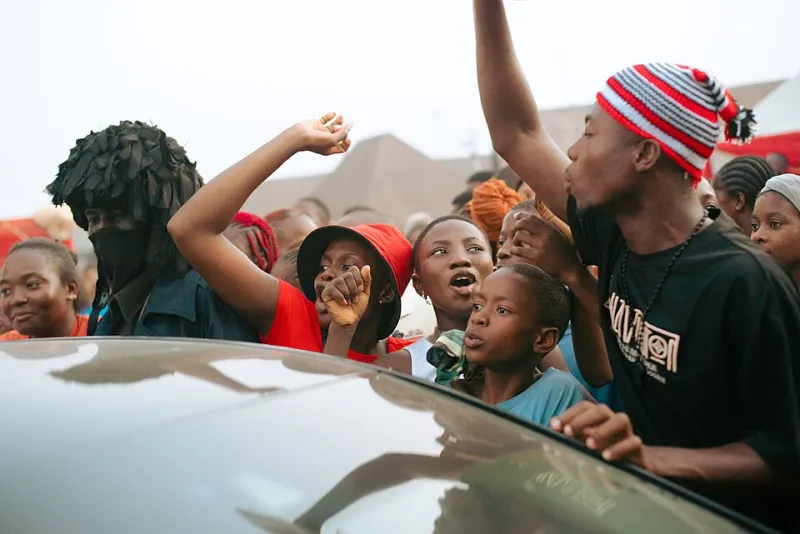
Photo: Umasoyee, CC BY-SA 4.0, via Wikimedia Commons
That Sinking Feeling Has a Name
You've been there. You're scrolling through Instagram on a Sunday night and your entire feed is flooded with videos from an event you'd never even heard of 48 hours ago. The crowd looks electric. Someone's crying happy tears. A celebrity just showed up unannounced. And tickets? Sold out Thursday morning before you even knew it existed.
That hollow, slightly panicked feeling in your chest? Scientists actually have a lot to say about it.
FOMO — Fear Of Missing Out — isn't just a millennial buzzword. It's a documented psychological response rooted in our deep-seated need for social belonging. And when it comes to live events, it operates like rocket fuel. Understanding why certain events trigger it — and how to spot those events early — can be the difference between front row and watching the highlights from your couch.
The Brain Chemistry of "You Had to Be There"
Dr. Pamela Rutledge, director of the Media Psychology Research Center, has studied how social media amplifies our desire to participate in shared experiences. Her core finding? Humans are hardwired to seek communal moments. Live events tap directly into that ancient circuitry.
"When we see evidence of a shared experience — photos, videos, emotional reactions — our brains register it as social proof," she explains. "The more people we see participating, the more our threat-detection system kicks in. We're not just missing a show. We're missing belonging."
This is why a concert with 500 attendees can generate more cultural buzz than an arena show with 20,000. Intimacy signals exclusivity. Exclusivity signals value. And once that value perception hits a tipping point on social media, demand becomes almost self-generating.
The Four Ingredients of a Viral Event
Ticketing analysts and event psychologists have started to identify a surprisingly consistent recipe behind events that go from "cool thing happening" to "why can't I find tickets anywhere."
1. Capacity Scarcity Events in venues under 2,000 capacity are statistically more likely to sell out rapidly — and more likely to generate post-event FOMO content. When fewer people can attend, every ticket feels like a golden ticket. Platforms like Eventer regularly see demand spikes of 300–400% for small-venue shows compared to arena events with similar artist profiles.
2. The Surprise Variable Unannounced guest appearances, secret sets, and pop-up formats create what researchers call "unpredictability reward loops." Our brains love the possibility of something unexpected happening. It's the same mechanism behind slot machines — the chance of a magical moment is often enough to drive action.
3. Cultural Timing Events that align with a moment in the cultural conversation — a musician dropping a surprise album, a TV show reaching its season finale, a social movement gaining momentum — get pulled along by that current. Timing isn't luck. The most savvy organizers are constantly watching cultural signals.
4. Community Identity The most viral events don't just attract fans — they attract tribes. When attending an event becomes a statement of identity (think: early Coachella, early Afropunk, the first wave of immersive theater experiences), the social stakes of missing out skyrocket. You're not just skipping a show. You're opting out of your people.
How Social Media Turns Buzz Into a Stampede
Social platforms have fundamentally changed the velocity of event demand. What once took weeks of word-of-mouth to build can now happen in hours.
The cycle typically looks like this: an event gets announced, a small cluster of culturally influential attendees (not necessarily celebrities — often just people with highly engaged niche followings) buys tickets and posts about it. Their followers see it, buy tickets, post about it. Within 24–48 hours, the event has crossed into mainstream awareness — often right around the time the last tickets are being snatched up.
Social listening tools used by ticketing analysts can actually detect this acceleration pattern. Spikes in hashtag creation, saves on event posts, and the ratio of comments to likes on announcement content are all early indicators. A post that's getting saved more than liked? People are coming back to buy tickets later. That's a signal.
Your Early-Warning System: How to Get Ahead of the Rush
Okay, so how do you actually use any of this? Here's the practical breakdown.
Follow the micro-influencers, not the mega-stars. Accounts with 10,000–50,000 highly engaged followers in a specific niche — indie music, underground comedy, immersive art — tend to surface breakout events weeks before they hit mainstream feeds. These are your canaries in the coal mine.
Watch venue announcement pages. Independent venues like Brooklyn Steel, The Troubadour in LA, or The 9:30 Club in DC often announce shows before they hit major ticketing aggregators. Following their socials and signing up for their newsletters puts you in the first wave.
Set up Google Alerts for your interests + keywords like "intimate," "one-night-only," and "limited tickets." It sounds almost too simple, but the language organizers use in announcements is a real signal. Those phrases are intentional.
Use Eventer's wishlist and alert features. When you favorite artists, venues, or event types on Eventer, you'll get notified the moment something matching your profile goes live — before the social media rush begins. Think of it as your personal first-mover advantage.
Trust your gut on cultural timing. If an artist just dropped a critically acclaimed project, if a cultural moment is building, if a community you're part of is buzzing — act fast. The window between "this seems interesting" and "completely sold out" is getting shorter every year.
The Flip Side: When FOMO Is the Product
It's worth being clear-eyed here. Some organizers engineer scarcity deliberately — releasing small ticket batches, creating waitlists that may never clear, and leveraging influencer seeding to manufacture urgency. That's not inherently bad, but it's worth knowing when you're being marketed to versus when genuine demand is at play.
The tell? Genuine breakout events tend to have organic content — messy videos, emotional reactions, surprised faces. Manufactured FOMO tends to look more polished, more coordinated. Trust the messy stuff.
The Moment Is the Point
At the end of the day, the reason we feel FOMO about live events isn't irrational. The moments that matter — the ones you tell stories about for years — really do happen at events with a specific, unrepeatable energy. The goal isn't to eliminate FOMO. It's to turn that instinct into action fast enough to actually be in the room.
Because the best events aren't just entertainment. They're shared memories. And shared memories, it turns out, are one of the few things in life that genuinely can't be streamed later.