Permit Denied: How Small-Town Hearing Rooms Became the Real Headliner
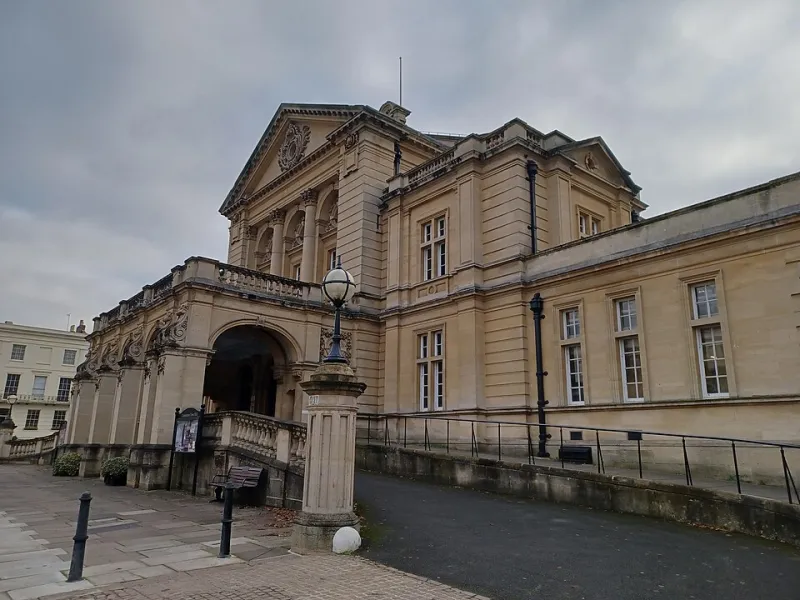
Photo: Simon Burchell, CC BY-SA 4.0, via Wikimedia Commons
The most consequential show in a festival's life usually has no lineup, no lights, and no bar. It happens on a Tuesday night in a municipal building with fluorescent lighting and forty folding chairs, and it's called a conditional use permit hearing.
In the past few years, those rooms have gotten crowded. Residents show up with noise complaints logged by the hour. Council members hold up traffic studies. Somebody reads a letter about the year the port-a-potties overflowed. And a festival that spent eighteen months planning gets told to come back in the fall with a revised plan.
This is where live entertainment is actually permitted or forbidden in America right now — not in a booking office, not on a routing spreadsheet. In a hearing room.
The room where it gets decided
Local pushback against big events isn't new. What's changed is the intensity and the organization.
Neighbors now coordinate through group chats and neighborhood listservs. They file public records requests for previous years' incident logs. They bring noise-monitoring data from apps on their own phones. And they frame their objections around a single, hard-to-refute question: who exactly is this for?
That framing puts organizers on the back foot, because the honest answer is "people from somewhere else" — a crowd that fills the road for one weekend, spends money at the gates, and leaves the cleanup to the town. A festival's economic impact report says one thing. A resident staring at a three-hour traffic jam on their own street says another.
A common refrain from attendees and opponents alike: "We're not anti-fun." Then comes the list. Noise until 1 a.m. Trash. Trespassing. The guy who parked across the driveway. And underneath it, something less tangible — a town deciding what kind of town it wants to be.
There's history here that planning boards still cite. The 1999 Woodstock anniversary at a decommissioned air base in upstate New York became shorthand for what happens when a permit process outruns a venue's capacity to host. Nearly thirty years later, that reference still surfaces in hearings far from Rome, NY.
What a "no" actually costs
When a festival loses its host city, the damage goes far beyond one weekend.
Relocating is not a matter of finding a field. Permits in a new jurisdiction take months. Water, power, and road access have to be re-engineered. A new town needs a new noise plan, a new traffic plan, a new police contract. Campsite capacity has to be re-verified. Deposits get re-paid. Insurance gets re-underwritten.
And the audience has to be re-convinced. Fans build rituals around a site: the campsite they always claim, the diner on the drive in, the gas station where everyone stops. Move the festival two hours away and you don't just lose ticket sales — you lose the muscle memory that made the trip feel inevitable.
Some events survive relocation and grow. Many more quietly shrink, then stop. The graveyard of American festivals is full of events that didn't lose their audience. They lost their town.
The community benefit agreement era
Organizers who are winning these fights aren't winning them with better marketing. They're winning them with contracts.
Community benefit agreements — long used in stadium deals — are now showing up in festival permits. The structure varies, but the strongest ones tend to include a few common elements:
- A hard noise ceiling with public monitoring. Real-time decibel dashboards, not a promise in a PDF.
- A resident ticket allocation. Free or deeply discounted passes distributed to households within a defined radius, not by lottery from a downtown office.
- Local hiring minimums with reporting requirements, so the money stays in the county.
- A cleanup escrow funded before the gates open, plus a named point of contact for the post-event weeks.
- A traffic and shuttle plan that treats residents' streets as a constraint, not an inconvenience.
- A probationary term — a two-year approval with a public review, instead of a five-year rubber stamp.
The mechanism matters as much as the terms. Organizers who show up to the first hearing with a draft agreement, rather than a slide deck about economic impact, consistently report a friendlier room.
The permit calendar is the new tour calendar
Here's the operational reality that doesn't make it into the press release: routing now starts with the permit timeline, not the artist's availability.
In a lot of jurisdictions, a large-event permit needs to be filed nine to eighteen months out, with environmental review, traffic engineering, and public notice periods layered on top. That means an organizer is committing to a date, a capacity, and a budget before a single headliner is confirmed — and any variance requested later gets treated as a bait-and-switch.
It also means the festivals that thrive tend to be the ones with the dullest internal calendars. Filing early. Attending the neighborhood association meeting in February. Doing the sound check with the town's noise consultant in April.
What organizers should do before the first hearing
Talk to the people who live closest, in person, months before anything is filed. Bring the actual map. Ask what last year was like for them, and write it down.
Then build the permit application as if the loudest critic wrote it. Answer the noise question before it's asked. Show where the trash goes. Name the person who picks up the phone on Sunday morning.
The permit process is the gatekeeper now. And the organizers who treat it like a relationship instead of a formality are the ones still announcing lineups in the spring.