More Tickets Than Seats: The Dirty Secret Behind Event Overbooking
You did everything right. You set the alarm for the on-sale time, survived the virtual queue, paid the fees without complaining too loudly, and showed up early with your ticket pulled up on your phone. Then someone at the door gives you a look — a tired, apologetic, slightly rehearsed look — and tells you the venue is at capacity.
Your ticket is real. The event is real. The crowd already inside is very real. But your seat? That's apparently a suggestion.
Welcome to the world of event overbooking, where capacity is less of a hard ceiling and more of a flexible starting point — and where the gap between tickets sold and bodies admitted is a calculated business decision someone made long before you ever clicked "buy."
The Airline Industry Did It First, and Events Took Notes
Overbooking didn't start with concerts or conferences. The airline industry normalized the practice decades ago, betting that a predictable percentage of ticketed passengers would miss their flights. Hotels do the same thing. What's changed is that the live event industry — flush with data and desperate to protect revenue — has quietly adopted the same logic.
The reasoning goes like this: a percentage of ticket holders always no-shows. Sometimes it's 5%. At free or low-cost events, it can climb past 40%. So if an organizer sells to a venue's stated capacity and a chunk of those people don't show, you've got a half-empty room, dead atmosphere, and revenue left on the table. The fix, from a pure business standpoint, seems obvious — sell more tickets than you technically have room for.
The problem is that live events aren't flights. You can't bump someone to the next show with a $400 travel voucher and a smile. And fire codes don't care about your no-show projections.
What "Capacity" Actually Means (It's Complicated)
Here's where it gets murky. Venue capacity isn't always a single fixed number. Fire marshals set a maximum occupancy, sure, but that number can shift depending on stage configuration, floor layout, the presence of standing room versus seated sections, and even whether there's a bar footprint eating into usable space. Organizers know this, and they work the edges.
There's also the distinction between ticketed capacity and operational capacity. A venue might be licensed for 2,000 people but routinely run events at 1,800 to keep things comfortable and compliant. Organizers selling to 2,000 aren't technically breaking rules — they're just filling every inch the fire marshal will allow. But when they sell 2,100 tickets banking on 10% attrition? That's where the gray area starts bleeding into something darker.
And the legal exposure is genuinely murky. Most ticketing contracts include language that treats capacity limits as approximate, or reserves the right to "adjust" attendance in ways that aren't clearly defined. Attendees often agree to these terms without reading them, which means the legal remedy for being turned away at the door is... not always straightforward.
The Data Behind the Gamble
Modern event organizers aren't guessing at no-show rates anymore. Platforms that handle ticketing at scale collect enormous amounts of behavioral data — past attendance patterns, how far ticket holders live from the venue, whether they've no-showed before, even weather forecasts for event day. This data gets fed into models that estimate with surprising precision how many of your ticket buyers will actually walk through the door.
For high-demand events, that number skews high. Superfans don't bail. But for mid-tier shows, corporate conferences, or events where tickets were purchased months in advance? The models get aggressive. Organizers may oversell by 10%, 15%, sometimes more, trusting the math to bail them out.
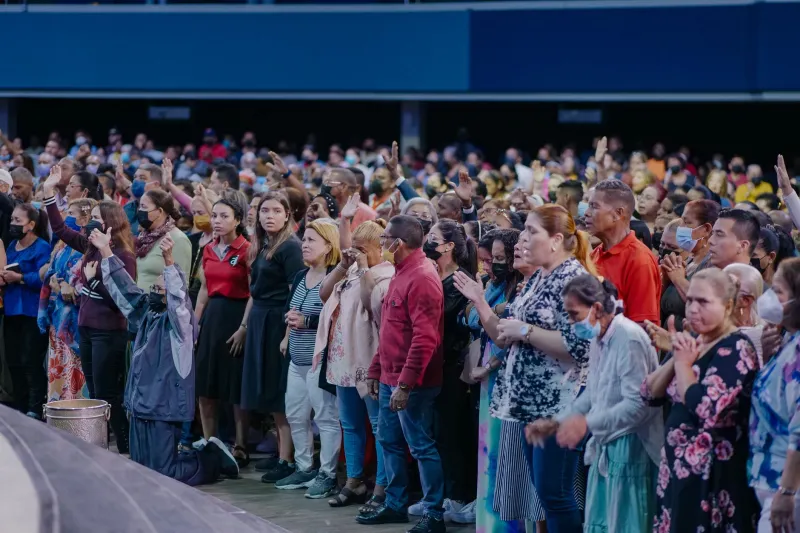
Most of the time, the math works. The crowd fills in, the no-shows absorb the overage, and nobody outside the back office ever knows how close it got. But when the model is wrong — when it rains, when a competing event pulls attendance, when a headliner's cancellation gets announced three hours before doors — suddenly you've got a lobby full of valid ticket holders and nowhere to put them.
Who Eats the Loss?
Spoiler: usually not the organizer.
When an oversold event hits its breaking point, the people turned away are often offered refunds — sometimes a face-value refund, sometimes with fees included, occasionally with a voucher toward a future event. What they rarely get is compensation for the parking, the babysitter, the outfit, the two hours they spent getting there, or the experience they were actually there for.
And refund policies vary wildly. Some platforms make the process relatively painless. Others require you to file a claim, wait for review, and navigate customer service channels that seem designed to make you give up. If you bought a ticket through a third-party reseller, your options shrink further — many resale platforms explicitly disclaim responsibility for anything that happens at the door.
Class action lawsuits over overbooking have been filed against event organizers, but they're slow, expensive, and rarely result in meaningful individual payouts. The legal infrastructure around live event consumer protection in the US lags well behind the sophistication of the industry exploiting its gaps.
What You Can Actually Do
None of this means you're helpless, but it does mean you have to be strategic.
Arrive early. It sounds obvious, but the people turned away at oversold events are almost always the ones who showed up at door time or later. If an event is oversold, the cutoff happens fast.
Screenshot your confirmation. Not just the ticket barcode — the full confirmation email with your name, the event details, and the purchase timestamp. If there's a dispute at the door, documentation matters.
Know the refund policy before you buy. Most platforms bury this in the terms, but it's worth finding. If an event is oversold and you're turned away, you want to know exactly what you're entitled to before you're standing in a parking lot trying to figure it out on your phone.
Buy directly when you can. Third-party resale adds layers of liability diffusion that work against you when things go wrong. Tickets purchased through the primary platform or directly from an organizer give you a cleaner path to recourse.
File a chargeback if the refund process stalls. If you were denied entry to an event you paid for and the organizer isn't making it right, your credit card company has dispute processes that can work in your favor. It's a last resort, but it's a real one.
The Bigger Picture
Overbooking is a symptom of an industry that has gotten very good at extracting revenue and considerably less good at protecting the people generating it. The data tools that let organizers model attendance with precision also give them the confidence to push limits that used to feel riskier.
For the live event world to work — really work, in a way that keeps people coming back and trusting the process — that gap has to close. Whether it closes through regulation, through platform accountability, or through organizers deciding that the goodwill of a full-but-not-overstuffed room is worth more than the marginal revenue of a few extra tickets, something has to give.
Until then, set your alarm, buy early, and get there before the doors open. The math isn't always on your side.