The Guest List Doesn't Lie: What Your Invite Circle Says About Your Real Relationships
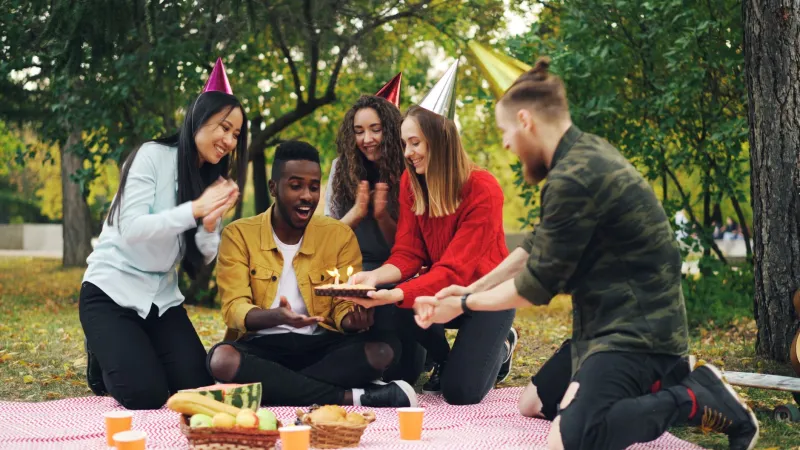
There's a moment every event organizer knows — whether you're throwing a backyard birthday in Austin or coordinating a 200-person industry mixer in Chicago. You open a blank spreadsheet, or a fresh event draft, and you start typing names. And somewhere around the fifteenth entry, you pause. You stare at a name you've been avoiding. Do they make the list or not?
That pause? It's not logistical. It's existential.
The guest list has quietly become one of the most revealing social documents of modern American life. More honest than your Instagram following, more telling than your text threads, and far more loaded than any LinkedIn connection. Who you invite — and who you don't — is essentially a map of who you've decided matters.
The Illusion of the Crowd
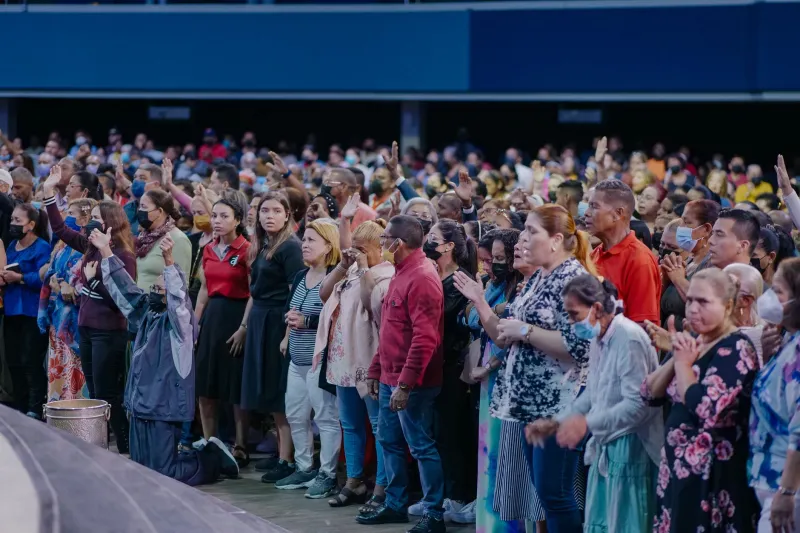
Scroll through anyone's event photos and you'll see the same thing: a sea of smiling faces, arms around shoulders, champagne flutes raised toward the camera. It looks effortless. It looks inclusive. It looks like everyone was invited.
They weren't.
Behind every great event photo is a series of quiet, sometimes painful decisions about who belonged in that room. Social media has gotten very good at broadcasting the celebration while completely erasing the selection process that made it possible. The result is a strange cultural pressure — the feeling that everyone else is always surrounded by a warm, sprawling community, while you're privately agonizing over whether to include your college roommate who you've drifted from, or the work friend who's technically great but somehow always makes things weird.
Event organizers on platforms like Eventer see this tension play out constantly. Even for professional gatherings, the moment a host starts building their invite list, personal dynamics bleed in almost immediately.
Invitation Fatigue Is Real — And It Cuts Both Ways
Here's something that doesn't get talked about enough: the exhaustion isn't just about being invited to too many things. It's also about the mental load of doing the inviting.
Organizers — even casual ones — report a specific kind of stress that arrives the moment they start curating an event. There's the guilt of the obvious exclusions (the acquaintance who would definitely find out), the anxiety of the ambiguous middle tier (people you like but don't quite trust with your inner circle), and the strange performance of the "soft invite" — mentioning an event casually in conversation without technically extending a formal invitation, just to see if they'll bite.
This behavior has become so common it's practically a social dialect. And it reveals something uncomfortable: we've developed elaborate systems to manage closeness without ever having to name it directly.
For professional event organizers, this plays out at scale. When you're managing a conference or an experiential brand activation, you're essentially codifying social hierarchy into a database. Early access list, general admission, waitlist. VIP, standard, standby. Every tier is a quiet judgment call about who deserves what level of access.
The Hierarchy Nobody Admits To
Most people, if asked, would claim their social circles are pretty flat. "I don't really have a best friend group — I'm just close with a bunch of different people." But put them in front of a guest list for something that actually matters to them — a milestone birthday, a small dinner party, a private rooftop thing — and the hierarchy snaps into focus fast.
There are the anchors: the people who get invited first, without hesitation, because the event wouldn't feel real without them. Then there's the second ring — people you genuinely like and want there, but who the event could technically survive without. And then there's the outer layer: the names you add because of obligation, proximity, or social math ("if I invite her, I have to invite him").
What's interesting is that most people are fully aware which tier they occupy in other people's events — even when nobody says it out loud. Getting a last-minute invite to something you knew had been in planning for weeks? You felt it. Being added to an event after the original guest list was clearly already set? You noticed. The social calculus is rarely as invisible as organizers hope.
When the Event Becomes the Relationship Test
There's a specific kind of friendship audit that happens after a major life event — a wedding, a significant birthday, a going-away party. People take stock. Who showed up? Who didn't bother? Who came but spent the whole night on their phone?
But increasingly, the audit starts earlier. It starts at the invitation stage.
Who you invite to something meaningful is now understood — consciously or not — as a declaration. It says: I thought of you when I was planning something I cared about. The absence of an invitation carries its own message, equally clear.
This is why the rise of semi-public events has created so much social friction. When an event is listed on a platform, shared on a story, or mentioned in a group chat, the lines between "invited" and "aware of" get blurry in ways that older, more private forms of gathering never had to deal with. Someone sees your event in their feed. Were they supposed to come? Were they accidentally excluded? Did you just forget?
Organizers navigating this — especially for personal or community-driven events — are increasingly thinking about visibility settings and invite flows not just as logistics but as relationship management tools.
What Organizers Are Starting to Figure Out
The smartest event hosts — whether they're running a 15-person dinner or a 1,500-person festival — are getting more intentional about the invitation experience itself. Not just who gets invited, but how they get invited, and what that communication signals.
A thoughtful, personalized invite — even a digital one — lands differently than a mass event notification. It says you were thought of specifically, not just swept up in a bulk send. Platforms that allow organizers to customize outreach, segment their lists, and control visibility are giving hosts more tools to manage the social texture of their events, not just the operational side.
Because here's what all of this points to: people don't just want to attend good events. They want to feel like they were chosen for good events. That distinction matters more than most organizers realize.
The List Is the Message
At the end of the day, every guest list is a love letter to some people and a quiet goodbye to others. That's not cynical — it's just honest. We can't maintain deep investment in every relationship simultaneously, and events force us to make that visible in ways that day-to-day life lets us avoid.
What's shifted is that we're doing this more often, more publicly, and with higher stakes than previous generations ever had to manage. The average American is navigating more event invitations, more social platforms, and more relationship maintenance than any point in history — and the guest list sits at the center of all of it.
So next time you're building out an event on Eventer and you hit that pause over a name, pay attention to it. That hesitation isn't a bug in your social operating system. It's the whole thing running exactly as designed.