Last Call for Local: The Quiet Crisis Killing Independent Venues Across America
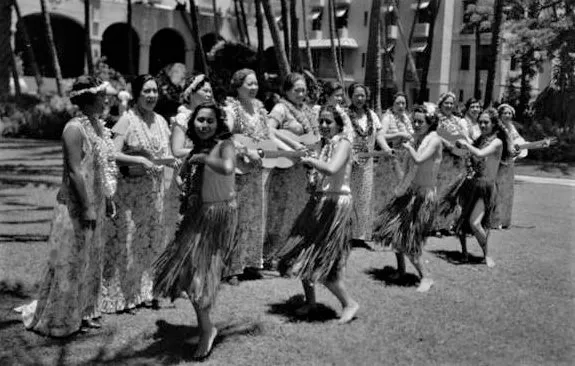
Photo: Pan-Pacific Press Bureau, Public domain, via Wikimedia Commons
Somewhere in Nashville right now, a venue owner is staring at a spreadsheet that doesn't add up. The numbers haven't added up for a while. The rent went up again. The city's noise ordinance got stricter. A new luxury condo building broke ground next door six months ago, and the complaints started almost immediately. She's been running this room for eleven years. She's pretty sure she won't make it to twelve.
This story is playing out in cities all over the country — in Brooklyn lofts, Denver warehouses, and Portland storefronts that have hosted first shows for bands you now stream on repeat. The independent venue is one of America's most taken-for-granted cultural institutions, and right now, it's in serious trouble.
The Numbers Are Worse Than You Think
The National Independent Venue Association (NIVA) estimates that hundreds of small and mid-sized venues have closed permanently since 2020. While the pandemic accelerated the crisis, the underlying pressures had been building for years. Real estate appreciation in major metro areas has driven commercial rents to levels that make a 200-capacity room economically unviable almost by definition. A sold-out Friday night in a 150-seat venue — at $20 a ticket — generates $3,000 in gross ticket revenue. After staffing, sound, lighting, artist guarantees, and insurance, that number can easily go negative.
"We're not in the ticket business," says Marcus Webb, who owns a 300-cap venue in Philadelphia's Fishtown neighborhood. "We're in the bar business that happens to host shows. The moment foot traffic drops or a neighborhood gets 'cleaned up,' the math stops working."
And the math is getting harder everywhere. In Los Angeles, several beloved Silver Lake and Echo Park rooms have quietly shuttered in the last two years, replaced by cocktail bars and co-working spaces. In Seattle, the Central District — once a cornerstone of the city's underground music scene — has lost more than half its independent performance spaces since 2015. Chicago's Logan Square, long a refuge for experimental and indie acts, has seen similar attrition.
Death by a Thousand Cuts
No single villain is responsible. The forces squeezing independent venues are layered and interconnected in ways that make them maddeningly hard to fight.
Gentrification and the noise ordinance trap. When neighborhoods become desirable, new residents move in and existing venues suddenly become nuisances. Noise complaints trigger city intervention. Cities, responding to newer, wealthier constituents, tighten ordinances. Venues that operated freely for decades find themselves in violation of rules that didn't exist when they opened.
The insurance problem. General liability coverage for live event spaces has become brutally expensive, especially post-pandemic. For smaller venues, annual premiums can run $30,000 to $50,000 — a number that would be manageable for a 2,000-seat theater but can be existential for a 200-seat room.
Platform fees and ticketing friction. When a fan buys a $15 ticket and walks away paying $22, that $7 in fees doesn't go to the venue. It goes to the ticketing platform. Smaller venues often lack the negotiating leverage to secure favorable fee splits, meaning they absorb the reputational damage of high fees while seeing little financial benefit.
Competition from above. As Live Nation and AEG continue consolidating mid-size and large venues, they're increasingly booking acts that used to develop in smaller rooms — effectively starving the ecosystem that creates the artists they profit from later.
"We're the farm league," Webb says. "We take the risk on the unknown act. We invest in the relationship. Then when that artist blows up, they go play somewhere we can't compete with."
What Organizers Can Actually Do
If you're an event organizer — whether you're booking a quarterly conference, a comedy night, or a touring band — your venue choices carry real weight. Here's how to put that weight behind the spaces worth saving.
Book local first, and say so publicly. When you choose an independent venue over a hotel ballroom or a chain-owned space, make that decision visible. Audiences respond to authenticity. Telling your attendees "we're hosting this at [Local Venue] because we believe in supporting the spaces that make this city's culture possible" is both good storytelling and genuine advocacy.
Negotiate fee structures that work for everyone. On platforms like Eventer, organizers have flexibility in how ticketing fees are structured and communicated. Choosing fee models that keep more revenue in the venue's pocket — rather than extracting maximum margin from every transaction — is a tangible way to support the spaces you rely on.
Build long-term relationships, not one-off rentals. Venues thrive on reliability. An organizer who commits to six events a year is infinitely more valuable to a struggling venue than six different organizers who each show up once. Recurring relationships give venues the financial predictability they need to survive.
Advocate at the local level. Many cities have adopted "agent of change" policies — rules that require new residential developments near existing venues to shoulder the cost of soundproofing, rather than forcing venues to retrofit. Organizers and attendees can push local councils to adopt these protections. NIVA maintains resources for venue advocacy at the state and municipal level.
What Attendees Can Do
Here's the uncomfortable truth: we've trained ourselves to wait for convenience. We discover events through algorithm-curated feeds, buy tickets on the platform with the smoothest UX, and show up to whichever space hosts the thing we want to see. The venue itself has become almost incidental.
But venues aren't incidental. The room shapes the experience. The acoustics, the sightlines, the bar with the weird local beer, the sound person who's been running that board for fifteen years — these things matter. They're the difference between a concert and a transaction.
Supporting local venues is as simple as buying tickets early (cash flow is everything for small operators), showing up for the smaller acts on a Tuesday night, buying a drink at the bar, and telling your friends. Word of mouth built these places. It can help sustain them too.
"I'm not asking anyone to save us," says one venue owner in Atlanta who asked to remain anonymous because she's in lease renegotiations. "I'm just asking people to remember that if this room closes, it doesn't come back. Something else opens in its place, and it's not the same thing."
The Stakes Are Bigger Than a Good Night Out
Independent venues are where careers begin, where communities form, where cities develop the cultural identities that attract people and investment in the first place. When they disappear, something genuinely irreplaceable goes with them.
The question isn't whether you care about live culture. If you're reading this, you clearly do. The question is whether caring translates into action — a ticket bought, a venue chosen, a city council meeting attended.
Your ticket to every moment that matters starts with making sure the places that host those moments are still standing.