You Paid for the Dream, You Got the Rope Line: The Ugly Truth About VIP Ticketing
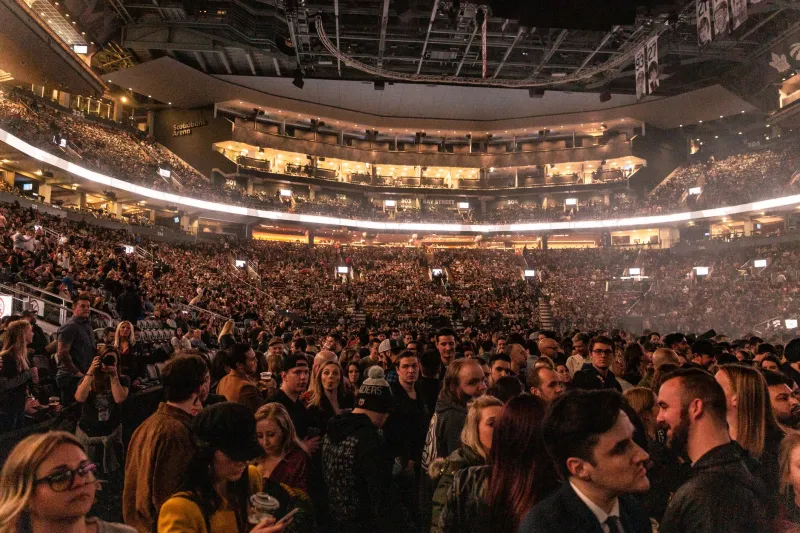
Let's set the scene. You've just dropped $450 on a "Platinum Fan Experience" for a mid-sized music festival in the Southwest. The event page promised early entry, a dedicated lounge, exclusive merchandise, and — the big one — a "curated cocktail experience" with premium bar access. You show up on a Saturday afternoon, sunscreen applied, expectations high.
What you find: a roped-off patch of gravel with four folding chairs, a warm can of hard seltzer, and a tote bag with a branded koozie and a lanyard. The "exclusive lounge" shares a fence with the general admission crowd. The bar closes two hours in. By 9 PM, you're standing in the same mud as everyone else, just $350 poorer.
This isn't an isolated story. Across the country, at concerts, conferences, food festivals, and sporting events, a quiet reckoning is building around premium ticketing — and what it actually delivers.
The Premium Boom Nobody Wants to Talk About
VIP and tiered ticketing have exploded over the past decade. According to industry tracking, the average price gap between general admission and the highest-tier ticket at major US events has more than doubled since 2015. Organizers discovered early on that a small percentage of attendees will pay significantly more for the perception of exclusivity — and that discovery turned into a business model.
For event producers, the math is seductive. Selling 200 VIP packages at $400 each can generate more revenue than 1,000 standard tickets at $65. The margins look great on paper. The problem is that "VIP" has become a label without a standard, a promise without a contract, and increasingly, a disappointment without a refund.
Jamie Torres, who attended a major EDM festival in Las Vegas last year, put it bluntly: "I paid for VIP three years in a row. The first year it was genuinely amazing — real perks, real access, real separation from the crowd. By year three, they'd clearly sold so many VIP packages that it was just... general admission with a different wristband color."
That experience — dilution through overselling — is one of the most common complaints in the VIP space. The exclusivity itself becomes the first casualty of scaling.
Where Does the Money Actually Go?
This is the question most premium ticket buyers never think to ask before they buy. And the answer is complicated.
For large-scale tours and festivals run by major promoters, VIP revenue often flows into artist guarantees, production upgrades, and operational costs that benefit the entire event — not just the premium tier. In other words, your $400 upgrade is partially subsidizing the light rig that everyone gets to enjoy.
For smaller and mid-tier organizers, the calculus is even messier. Many don't have dedicated VIP infrastructure budgets. They're improvising: renting a tent, hiring a bartender, ordering some branded swag, and hoping the sum of those parts feels like luxury. Sometimes it does. Often it doesn't.
"The honest truth is that a lot of organizers treat VIP as a revenue line item first and an experience second," says one event producer who asked to remain anonymous. "They price it based on what they think people will pay, not based on what it costs to actually deliver something special. And that's where the gap opens up."
The Anatomy of a Broken VIP Promise
There are a few recurring failure modes that show up again and again in attendee complaints:
Vague language that sounds good but means nothing. "Premium access," "exclusive atmosphere," and "enhanced experience" are phrases that appear constantly in VIP descriptions. They're not lies, exactly. They're just not promises either. When the experience underdelivers, organizers can always point to the copy and say they never technically guaranteed anything specific.
Oversaturation of the tier. VIP stops feeling exclusive the moment there are too many VIPs. Some events now sell multiple levels — VIP, VIP+, Platinum, Ultra — which creates its own absurdity. Attendees in lower premium tiers often feel cheated when they realize someone else paid even more for something better.
Operational neglect on the day. Even when organizers have good intentions, execution falls apart. Staff don't know where the VIP entrance is. The lounge runs out of food by 7 PM. The dedicated restrooms get opened to general admission when lines get long. These aren't malicious failures — they're logistical ones. But to the attendee who paid three times more, they feel like betrayal.
What Real VIP Should Look Like
Here's the thing: premium ticketing isn't inherently broken. There are organizers getting it right, and the experiences they create are genuinely memorable. The difference comes down to a few core principles.
Specificity over vagueness. The best VIP packages describe exactly what attendees will receive, in concrete terms. Not "premium bar access" — but "open bar from 6 PM to 10 PM featuring [specific spirits], staffed by [specific bar program]." When you're specific, you're accountable. That accountability forces you to actually deliver.
Capping the tier and meaning it. Exclusivity requires scarcity. Organizers who cap their VIP numbers — and resist the temptation to sell just a few more when demand spikes — protect the experience they've built. It's a short-term revenue sacrifice for long-term credibility.
Designing a moment, not just an amenity. The most talked-about VIP experiences aren't about better food or nicer bathrooms. They're about access to something you genuinely can't get any other way: a meet-and-greet that's actually intimate, a soundcheck viewing that's actually unrestricted, a panel session with a speaker who's actually present and engaged. Amenities are forgettable. Moments aren't.
Staffing the experience like it matters. VIP areas need dedicated, knowledgeable staff who understand what they're delivering and why. An undertrained volunteer managing a premium lounge is a recipe for complaints. The human element of a VIP experience is often the most important — and the most neglected.
The Attendee's Defense
If you're on the buying side of this equation, there are ways to protect yourself. Read VIP descriptions critically and look for specific, concrete language. Search for reviews from previous years of the same event — attendees talk, and forums, Reddit threads, and social posts are full of honest assessments. Ask the organizer directly what the VIP experience includes before you buy; their responsiveness (or lack of it) tells you something.
And if you get there and the experience doesn't match what was advertised? Document it. Photograph it. Contact the organizer during the event if possible, not just after. Some will make it right on the spot. Others won't. But the record matters.
A Reckoning on the Horizon
The premium ticketing market is heading toward a credibility problem. As more attendees share their disappointments online — and as social media makes it easier than ever to broadcast the gap between the promo video and the folding chair reality — the tolerance for overpromising is shrinking.
Organizers who treat VIP as a cash grab will increasingly face the consequences: chargebacks, social media pile-ons, and a customer base that learns not to upgrade. The ones who invest in genuinely differentiated experiences will build something more valuable than a single season's revenue: a reputation.
Your ticket to every moment that matters — but only if the moment is actually there when you arrive.